Paver Driveway Installation Cost: What Homeowners Should Budget For
A paver driveway looks expensive because, frankly, a good one is. But paver driveway installation service Ridgeline Outdoor Living that does not mean it is overpriced.
When homeowners start comparing paver driveways with plain concrete or asphalt, the first number can feel like a shock. Then the second conversation happens. They learn what goes underneath, what drainage problems can be solved during installation, how repairs work years later, and why professionally installed driveways tend to hold their appearance longer than most alternatives. That is where the budget discussion gets more honest.
If you are planning a new driveway construction project or replacing an old slab, the real question is not just, “How much do driveway pavers cost per square foot?” It is, “What am I actually paying for, and what corners should never be cut?”
What a paver driveway usually costs
For most residential driveway paving projects, paver driveway installation cost lands somewhere between $18 and $40 per square foot, with premium work reaching higher. That is a broad range because the visible pavers are only one part of the job. Size, access, demolition, drainage, grading, edge restraints, base depth, and material selection all move the number.
A modest single-car or compact two-car driveway might fall into the $10,000 to $20,000 range. A larger, more customized front yard driveway design with borders, curves, drainage channels, or premium stone paver driveways can easily reach $25,000 to $50,000 or more.
Those figures can sound steep until you separate a paver driveway into its real components. The driveway surface you see every day is sitting on a structure. If that structure is wrong, even heavy duty driveway pavers will shift, settle, or fail.
The square foot number only tells part of the story
Homeowners often ask for a quick quote based on size alone. A 900 square foot driveway sounds straightforward, but two driveways with the same area can differ by many thousands of dollars.
One may have easy machine access, stable soil, mild slope, and no drainage issues. Another may need old driveway concrete removal, deeper excavation, retaining edges, imported base material, and careful driveway grading before paving because water currently runs toward the garage.
I have seen homeowners focus too hard on the paver color options and surface finishes while barely asking about paver driveway site preparation. That is backward. Decorative driveway paving matters, but base construction determines whether the driveway still looks good after years of traffic, summer heat, winter rain, and occasional oil stains.
Where the money goes
A reliable driveway installation cost breakdown usually includes these major paving contractors near me categories:
- demolition and removal of the old surface, if there is one
- excavation, grading, and driveway subgrade preparation
- compacted aggregate base, bedding layer, and edge restraints
- the driveway paving stones themselves
- labor for interlocking paver installation, compaction, joint filling, and cleanup
That list looks simple. In practice, those categories hide the details that separate bargain work from durable driveway surfaces.
Demolition and removal
If you are replacing cracked concrete driveway sections or doing a full asphalt driveway replacement with pavers, demolition is the first budget item to pin down. Removal costs depend on thickness, reinforcement, haul-away fees, and access. A broken-up plain concrete driveway is one thing. A heavily reinforced slab or a site that requires handwork instead of larger driveway paving equipment is another.
Many homeowners underestimate this part because the old driveway looks thin and tired. Once demolition begins, contractors may find thicker sections at the apron, poor previous patches, buried debris, or roots pushing up from the sides. Those conditions affect labor time and disposal costs.
Excavation and subgrade work
This is where smart money goes. Proper driveway excavation depth depends on local soils, expected vehicle loads, moisture conditions, and slope. Passenger vehicles need a more robust structure than a patio, and if the driveway occasionally supports delivery vans or heavier vehicles, vehicle rated driveway pavers alone will not solve the problem. The subgrade and base must be designed for the load.
For many concrete paver driveways, excavation can be roughly 10 to 14 inches below final finished grade, sometimes more in weak soils or special drainage conditions. That space allows for the compacted aggregate base, paver driveway bedding layer, and the pavers themselves. A thin build may lower the bid, but it raises the odds of sunken driveway pavers, shifting edges, and rutting where tires regularly pass.
Base preparation
Paver driveway base preparation is the least glamorous part of the project and the most important. Contractors install and compact layers of aggregate to create a stable platform. If this stage is rushed, everything above it suffers.
A good compacted aggregate base should be installed in lifts and compacted thoroughly, not dumped all at once and flattened. Driveway paver compaction is not a cosmetic step. It is structural. If your quote is dramatically lower than others, this is often the hidden reason. Less excavation, less base material, and less compaction save a contractor money fast.
Bedding layer, restraints, and joint filling
After the base comes the screeded bedding layer, careful paver driveway leveling, paver placement, edge restraints, and joint filling. ridgelineoutdoorliving.com paver driveway design ideas Edge failure is one of the most common driveway paver installation mistakes because the perimeter is what keeps interlocking driveway pavers locked together under turning and braking forces.
Joint sand matters too. Polymeric sand driveway maintenance tends to be easier than ignoring the joints until erosion, weeds, and ant activity open everything up. A driveway that starts moving is often telling you that the joints, edges, or base were not handled correctly.
The pavers themselves
Material cost varies widely. Standard interlocking concrete paving stones are usually the most cost-effective option for residential driveway paving. Brick paver driveways and natural stone driveway pavers often cost more. Large format driveway pavers can look striking in contemporary driveway paving, but not every large format unit is ideal for repeated vehicle loading. Thickness, shape, and pattern all matter.
For driveway use, heavy duty driveway pavers are typically thicker and engineered for vehicular loads. Homeowners should ask specifically about driveway paver thickness, wear resistance, and whether the product is rated for cars. Some beautiful paving stone driveways fail simply because someone chose a product better suited for a walkway.
Material choices that change the budget
Concrete driveway pavers are the most common choice for a reason. They balance strength, availability, color range, and cost. Concrete paver driveway pricing is usually easier to manage than natural stone, and repairs tend to be straightforward.
Brick driveway paving cost is often higher, especially when true clay brick products are used and skilled installation is needed to keep the pattern crisp. Brick brings warmth and a traditional look, but homeowners should be realistic about price and long-term color variation.
Natural stone versus concrete pavers is a style and budget conversation. Stone paver driveways have a premium look and can be stunning on the right home, but they also come with premium driveway pavers cost. Not every property needs that upgrade to achieve strong curb appeal.
Permeable concrete pavers add another variable. A permeable paver driveway can help with driveway stormwater runoff, puddle prevention, and local drainage requirements, especially where water pooling on driveway surfaces has been an issue. But permeable paver base layers and driveway infiltration systems are specialized, so installation costs can rise. In the right setting, that added cost solves a problem that standard paving would leave behind.
Design decisions add cost faster than most people expect
A clean rectangular layout in a standard running bond or herringbone driveway paving pattern is usually more affordable than curved borders, inlays, multiple colors, decorative driveway entrances, and custom driveway paver layouts.
This does not mean custom paver driveways are not worth it. Often they are. The point is to understand that visual complexity affects labor just as much as it affects material waste. Tight cuts, radius work, soldier borders, apron accents, and contrasting driveway paver borders all add time.
Pattern choice can also affect performance. Herringbone is often favored for driveways because it distributes vehicular forces well and helps resist shifting under braking and turning. If a homeowner wants modern driveway paving with large units and minimal joint lines, the installer should be able to explain how that design will perform under traffic, not just how it will look from the street.
Drainage is either built into the budget or paid for later
Poor drainage is one of the biggest reasons a driveway project gets expensive after the fact. If the plan ignores driveway grading and drainage, the money saved up front tends to reappear as repairs, staining, erosion, or garage water intrusion.
A well-built paver driveway slope directs water where it should go. Some sites also need driveway drainage channels, catch basins, swales, or changes to the apron and sidewalk transitions. On sloped properties, especially in Southern California driveway design work where hillsides and older lots are common, drainage planning is not optional.
For homeowners dealing with driveway water runoff solutions, this is one place where pavers can outperform poured slabs. A permeable paver driveway or carefully graded interlocking system can provide better driveway surface water management. But those benefits depend on thoughtful design and proper installation, not just on the material name.
Labor is a major cost, and that is not bad news
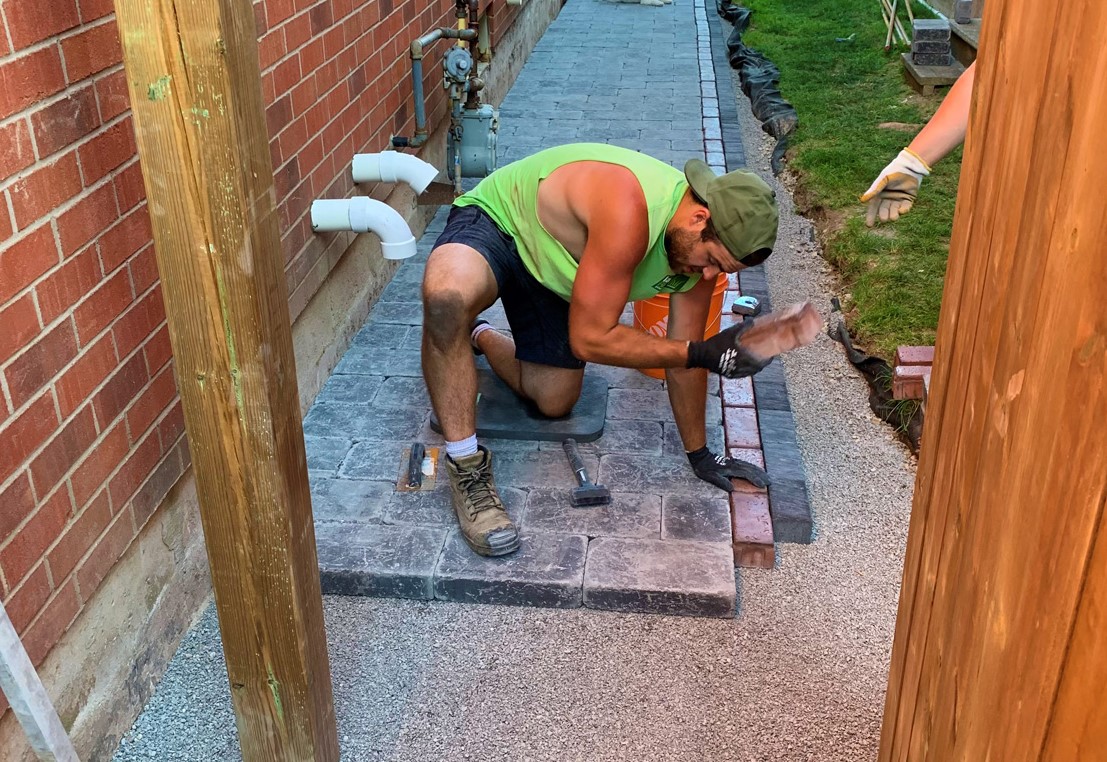
Paver driveway labor cost is substantial because the work is physical, precise, and hard to fake. A driveway crew has to excavate, haul, grade, compact, screed, lay, cut, restrain, compact again, and finish joints. A skilled crew also has to make the transitions look right at the garage, street, walkway, and existing hardscape.
When a bid seems suspiciously cheap, ask where the savings are paver driveway resources coming from. It is rarely because someone discovered a miracle supplier. It is usually lower labor time, thinner base, less excavation, poorer drainage planning, weaker edge restraint, or less experienced hands on site.
Professionally installed driveways cost more because they should. The goal is not just a pretty surface on day one. The goal is a driveway that resists settlement, stays level, drains properly, and remains repairable.
What a realistic budget should include beyond installation
Homeowners who budget only for the initial build often get blindsided by smaller but real follow-up costs. A paver driveway usually does not demand high maintenance, but it does benefit from occasional care.
A realistic paver driveway project budgeting plan should leave room for the following over time:
- cleaning, including stain removal and occasional pressure washing
- joint sand touch-up, especially after years of weather and use
- sealing, if you choose it for color enhancement or stain resistance
- isolated repairs if roots, drainage shifts, or utility work disturb an area
- periodic releveling in small sections if settlement develops
The good news is that paver driveway repair cost is usually more localized than concrete replacement. If one section settles, a contractor can often lift that section, correct the base, and reinstall the original units. That repairability is a real part of paver driveway long term value.
Comparing pavers with concrete and asphalt
Paver driveway versus concrete cost is where many homeowners hesitate. Plain poured concrete is usually cheaper up front. Asphalt is often cheaper still. But up-front price is only one piece of the decision.
Concrete can crack, stain, and look patchy after repairs. Asphalt fades in the sun, softens in heat, and needs recurring sealcoating. Pavers cost more at installation, but they also offer easier spot repair, stronger design flexibility, and often better aesthetics over time.
Pavers versus concrete driveways is not just a cost comparison. It is a lifecycle question. If appearance matters, if you expect to stay in the home, or if your existing surface has recurring drainage or cracking issues, pavers can justify the premium. That is why many homeowners replacing old slabs choose to replace concrete driveway with pavers rather than repour.
Regional factors matter, especially in Southern California
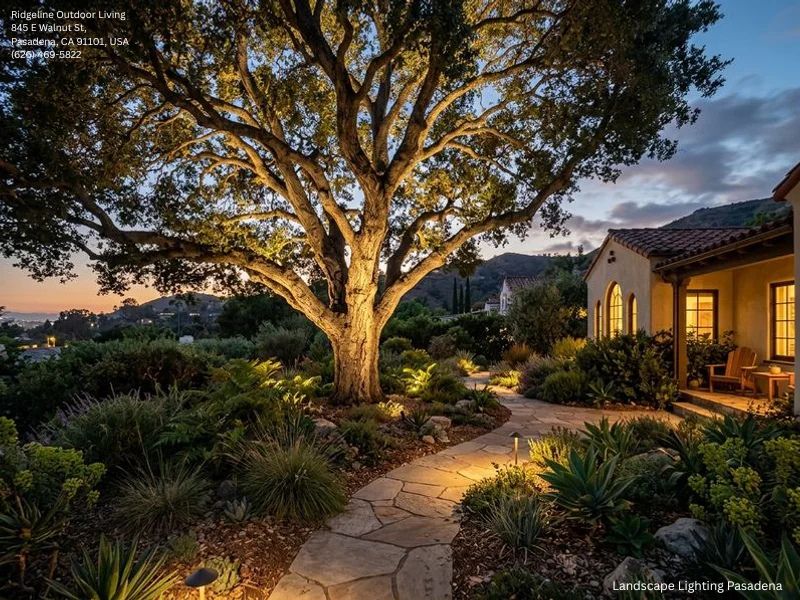
Costs in Pasadena, the San Gabriel Valley, and greater Los Angeles County often run higher than national averages. Labor, disposal, permitting, material transport, and site constraints all influence price. Paver driveways Pasadena homeowners choose also tend to be design-conscious, which raises the level of finish expected.
Southern California paver driveways have some advantages in warm climates. Freeze-thaw damage is less of a concern than in colder regions, but intense sun exposure, dry-season dust, occasional heavy rain, and sloped lots create their own demands. Driveway paving for California homes often involves balancing drainage, appearance, and heat performance. Lighter tones can stay cooler and show dust differently than darker blends. Textured driveway pavers may offer better slip resistance on sloped properties, especially where irrigation overspray reaches the surface.
If you are getting quotes for paver driveway installation Pasadena or elsewhere in the region, expect local conditions to shape the bid. A driveway paving contractor Pasadena homeowners trust should be able to explain how site slope, access, drainage, and traffic use are affecting the number.
A brief look at timeline and disruption
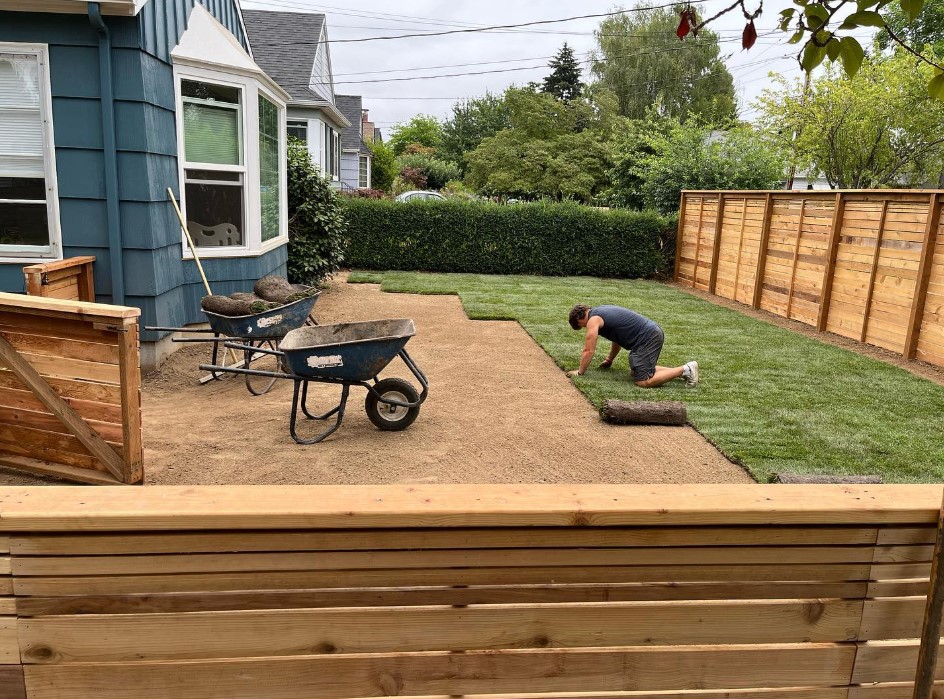
Most homeowners also want to know how long does driveway paving take. For a typical residential paver driveway installation, the on-site work often runs about 4 to 10 working days, depending on size, demolition needs, weather, access, and design complexity. Larger or more intricate jobs take longer.
That does not mean your driveway is torn up for weeks without progress. Usually, the heavy disruption happens early during demolition and excavation. The visible transformation comes fast once the base is in and the pavers start going down.
Still, timing matters. If a contractor says they can remove an old driveway, build a proper base, complete interlocking paver installation, and wrap the job in two days, that should raise questions.
How to read a quote without getting fooled
The strongest estimate is not always the cheapest or the most expensive. It is the one that clearly describes what is included. If two bids are far apart, compare the structure, not just the total.
Here are the questions worth asking before you sign:
- How deep will you excavate, and why?
- What driveway base material will you use, and how thick will each layer be?
- Are the pavers specifically rated for vehicle traffic?
- How will drainage be handled so water does not pool near the house or garage?
- What edge restraints, joint filling method, and compaction process are included?
If a contractor cannot answer those clearly, the quote is not ready. Homeowners do not need to become engineers, but they do need to know whether they are buying proper driveway paver installation requirements or just a decorative skin over weak prep.
The cheapest paver driveway usually becomes the expensive one
I have seen this play out more than once. A homeowner chooses the lowest proposal for what appears to be the same paver driveway installation. The surface looks fine at handoff. One rainy season later, there is edge separation, water holding near the garage, and slight settlement in the wheel paths. By year three, the savings are gone and the repair conversation starts.
That is why paver driveway construction stages matter so much. Preparing soil for driveway pavers, compacting the subgrade, building the aggregate base, maintaining proper slope, and locking the field with sound edge restraint are not extras. They are the project.
This is also why are paver driveways worth it has no single answer. They are worth it when the installation is correct, the material is suited for vehicles, and the design fits the site. They are not worth it when someone treats a driveway like a patio and skips the structural work.
Budgeting for value, not just price
The smartest homeowners set a budget range rather than chasing one target number. If your research says the project may fall between $18 and $40 per square foot, decide where you want to land within that range and why. Maybe you choose standard interlocking concrete paving stones and invest more in drainage. Maybe you keep the field simple and spend on a border that improves curb appeal. Maybe you skip premium natural stone and prioritize a stronger base because your lot has soft spots.
That is wise spending.
A paver driveway is one of those projects where quality beneath the surface protects every dollar on top of it. The beauty of custom paver driveways is obvious from the street. The value comes from what most people never see: the excavation depth, the compacted aggregate base, the grading, the restraint, and the workmanship that keeps the whole system locked together.
If you budget for that, you are far more likely to end up with a driveway that looks sharp, drains properly, handles vehicles without complaint, and still makes sense financially years from now.